What is kickboxing? Kickboxing is both a martial art built around structured striking techniques and a regulated combat sport practiced worldwide under defined rulesets. Here we explain kickboxing’s origins, its core techniques, differences from other martial arts, and the types of classes available for those interested in training.
Learn the Martial Art of Kickboxing In-Depth With a Free Trial Kickboxing Class at Art of Kickboxing in Metro Vancouver! or Try 1-on-1 Private Kickboxing Lessons For a Personal Educated Session!
What Is Kickboxing? The Definition
Is It a Martial Art or a Combat Sport?
Kickboxing is both a martial art and a combat sport.
As a martial art, it is a structured combat system with its own stance, footwork, defensive positions, and combinations. As a combat sport, it is practiced under regulated rulesets in sanctioned bouts around the world.
Unlike some traditional martial arts disciplines that focus heavily on forms, kickboxing emphasizes practical striking, timing, and controlled contact.
At the same time, it has developed into one of the world’s leading competitive disciplines, with professional promotions and governing bodies overseeing Full contact bouts in a defined fighting area.
The Martial Art of Kickboxing: History
Kickboxing evolved by blending influences from Asian striking systems and Western Boxing. Kickboxing incorporates kicking techniques derived from styles such as Kyokushin Karate, Muay Thai, and other tatami disciplines. From there, it incorporates traditional boxing techniques—such as the jab, cross, hook, uppercut, and defensive moves like the bob and weave, which form its punching foundation.
Thailand: Muay Boran and Krabi Krabong
Historically, striking arts like Muay Boran (the traditional martial art origin of Muay Thai) and Krabi Krabong were practiced by Siamese soldiers, and over time these systems influenced modern ring sports.
Japan: Karate, Muay Thai, and Glove Karate
Japanese promoters later helped formalize kickboxing as a distinct martial art by combining Karate and Muay Thai into what became known as glove karate.
Dutch Kickboxing: Kyokushin Karate and Western Boxing
Dutch kickboxing further refined the style by blending Kyokushin Karate with Western boxing combinations, creating a fast-paced, combination-heavy approach that remains influential today.
As a martial art, kickboxing teaches self-defense techniques, balance, and structured striking combinations. Students learn traditional kickboxing techniques, footwork control, and defensive positions that allow them to strike effectively at medium range.
The Sport of Kickboxing
As a combat sport, kickboxing emerged prominently in Japan in the 1960s and later expanded worldwide.
Sanctioning bodies such as the World Kickboxing Association and the World Association of Kickboxing Organizations helped standardize legal techniques and weight divisions. Modern organizations like Glory Kickboxing and promotions such as One Championship showcase elite athletes competing under various formats, including K-1 Rules.
Unlike Muay Thai, which features knee strikes, elbow strikes, and extensive clinch work, many kickboxing rule sets limit prolonged clinching and often exclude elbow strikes. This distinction helped establish kickboxing as its own sport rather than simply a variation of Muay Thai.
Today, kickboxing is practiced globally, though it is not currently an Olympic sport.
Kickboxing’s Unique Martial Arts System: Seamless Long & Mid-Range Striking
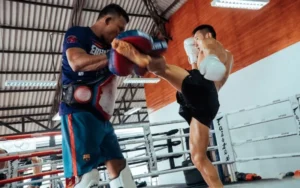
Kickboxing is built around a fluid striking exchange in the mid-range. Its combat system emphasizes punching combinations flowing directly into kicks, maintaining constant pressure while staying mobile. Fighters typically operate just outside close clinch range, using angles and timing to control distance.
Dutch Kickboxing, in particular, highlights powerful low kicks combined with tight boxing techniques. Korean Kickboxing styles may emphasize speed and dynamic kicking variations. Across formats, practitioners develop coordination between upper and lower body strikes, integrating defensive moves with offensive counters.
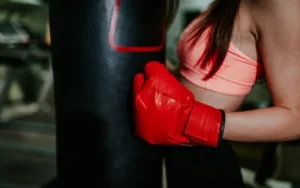
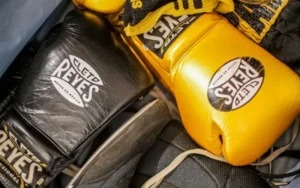
Training typically involves working combinations on pads, partner drills, and rounds on the heavy bag. Students wear boxing gloves and shin guards during controlled sparring to protect themselves and their partners. Many shin guards use high-impact foam padding to absorb force during drills and full contact practice.
How Does Kickboxing Differ from Other Martial Arts?
How Kickboxing Differs from Boxing
Boxing and kickboxing might seem similar but are actually completely different. The name of the punching techniques are the same but the stances, the way the punches are performed, and the strategies are different.
Western boxing focuses exclusively on punches. There are no kicks. Kickboxing adds kicking techniques to standard boxing techniques, creating a more diverse striking range.
While both sports share similar footwork and defensive moves, kickboxing demands awareness of leg attacks and body kicks, engaging additional muscle groups.
How Kickboxing Differs from Muay Thai
Like with boxing, Muay Thai and Kickboxing are often thought to be similar but differ in stance, techniques, performance, and strategy. Muay Thai includes elbow strikes, knee strikes, sweeps, Muay Thai clinches, and extended clinch work. Kickboxing often limits clinch engagement, and may exclude elbows depending on the ruleset.
Muay Thai is pressure-oriented at close and clinch range has an upright stance, heavy checking, slower tempo, and emphasis on balance, attritional damage, and off-balancing.
Kickboxing favors long to mid-range exchanges with more lateral movement, bladed stance, higher combination volume, faster tempo, and quick resets due to limited clinch engagement.
Kickboxing competitions under K-1 Rules typically allow brief clinch engagement but prioritize striking combinations over prolonged grappling exchanges. Venues like Rajadamnern Stadium in Thailand host traditional Muay Thai events, including RWS: Legend of Rajadamnern, which showcase these differences clearly.
How Kickboxing Differs from Karate
Karate is the most similar martial art to kickboxing, but significantly different at the same time. Karate uses deeper, more formal stances and chambered, often linear techniques rooted in traditional training methods, while kickboxing uses a more mobile, bladed stance with boxing-based combinations and fluid transitions between strikes.
In contrast to Karate’s broader traditional curriculum and varied hand weapons, kickboxing narrows the arsenal to punches and kicks optimized for continuous, combination-driven exchanges.
Karate styles such as Kyokushin Karate emphasize powerful linear strikes and conditioning, sometimes in bare-knuckle formats. Early kickboxing borrowed heavily from Karate but adapted it into a ring-based, full contact sport with boxing gloves. While Karate may include point-based sparring, kickboxing centers on continuous exchanges rather than stop-start formats.
How Kickboxing Differs from MMA
Mixed martial arts incorporates grappling arts such as Brazilian Jiu-Jitsu alongside striking. In MMA, athletes must defend takedowns and ground submissions. Kickboxing remains a striking-only combat sport, with no ground fighting component.
Kickboxing Class Types: Kickboxing Martial Arts Training & Cardio Kickboxing Classes
Kickboxing Martial Arts Training Classes
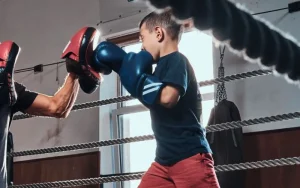
In a traditional martial art setting, classes focus on structured kickboxing techniques, pad work, partner drills, and controlled sparring. Students practice combinations, defensive positions, and self-defense techniques while building endurance and precision.
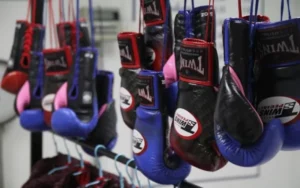
Training may include cross-training exercises, conditioning rounds, and heavy bag work. Proper kickboxing gear—such as boxing gloves and shin guards—is required for safety.
Cardio Kickboxing Classes
Cardio kickboxing classes are fitness-focused sessions designed as full-body workouts. These classes prioritize high repetitions, elevated metabolic levels, and conditioning rather than sparring. Participants often strike pads or a heavy bag as part of a structured fitness routine.
Unlike martial arts training or competitive training, cardio kickboxing removes contact and emphasizes calorie burn, coordination, and overall conditioning across major muscle groups.
Learn Kickboxing in Metro Vancouver!
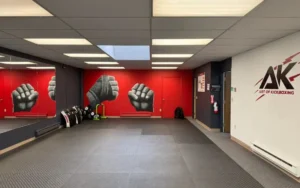
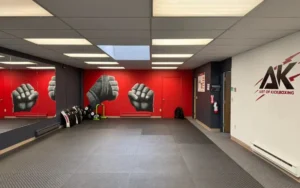
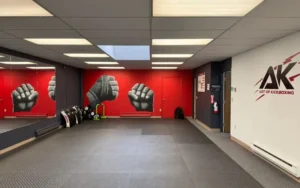
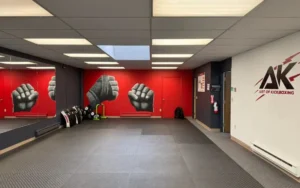
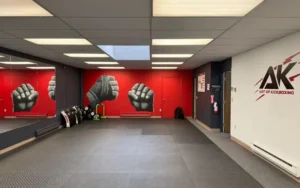
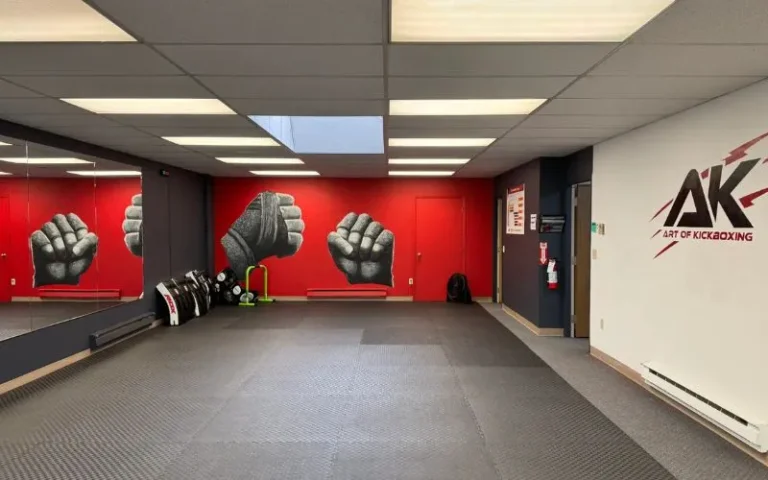
Those interested in learning kickboxing in Metro Vancouver can begin with a free trial class at Art of Kickboxing in Richmond, BC. Whether you are seeking structured martial arts training or dynamic cardio kickboxing classes, a professional training facility provides access to experienced boxing trainers, structured programming, and safe instruction.
A trial class allows new students to experience authentic kickboxing techniques firsthand, determine the appropriate class type, and explore how this martial art and combat sport can fit into their personal goals.